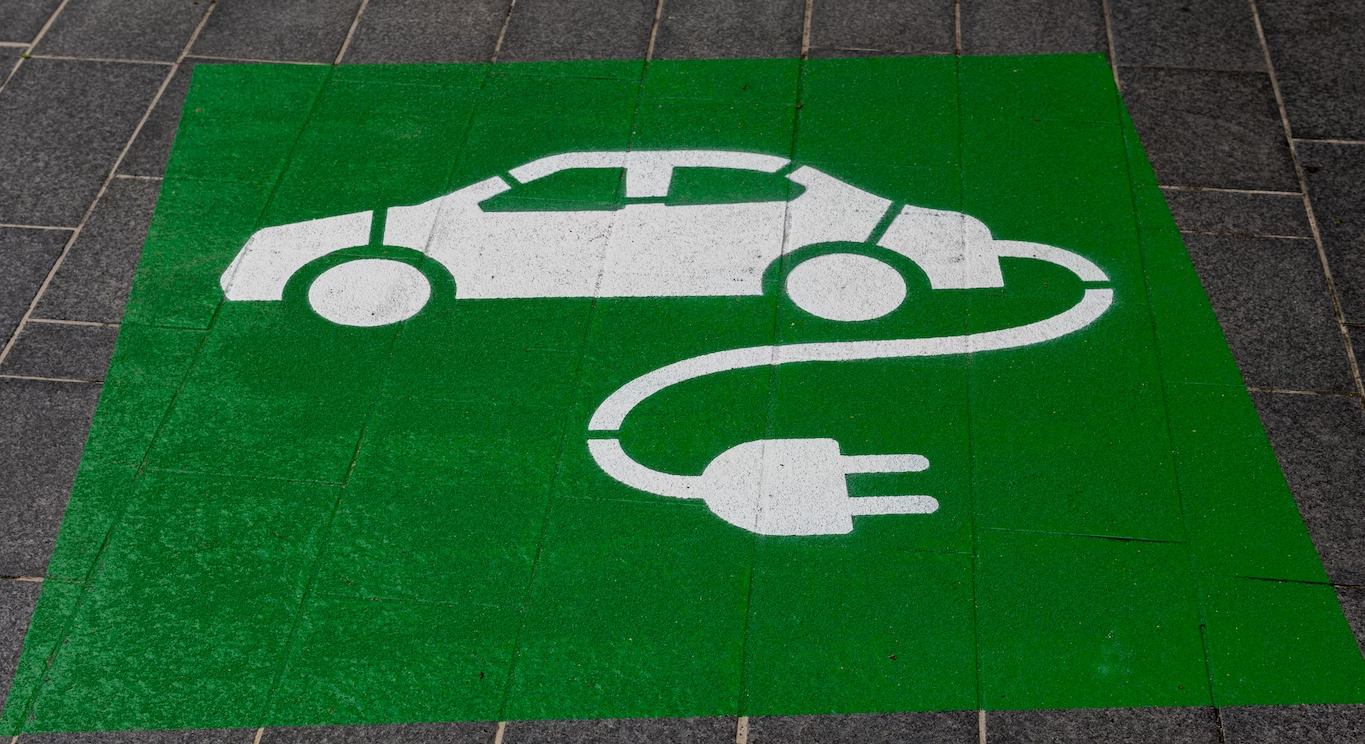
Considering Electric Cars? 5 Key Benefits to Know
The automotive landscape is rapidly evolving, and electric vehicles (EVs) represent one of the most significant shifts in transportation technology. As we become more conscious of our environmental impact and seek smarter financial choices, understanding the benefits of electric cars becomes increasingly important.
Cars are responsible for nearly one-fifth of all US emissions, emitting around 24 pounds of carbon dioxide and other global-warming gases for every gallon of gas. This contributes to climate change and global warming. Electric cars and hybrid cars can reduce emissions by using cleaner fuels or electricity. So, if you are planning on buying your next car, here are 5 benefits of electirc cars to consider.
Environmentally Friendly
One of the most compelling aspects of electric vehicles is how they become cleaner over time as our electricity grid evolves. Currently, about 20% of US electricity comes from renewable sources like wind and solar, but this percentage is rapidly increasing. As utilities continue to add renewable capacity and phase out coal plants, the environmental benefits of driving electric vehicles multiply. This means your EV will have an increasingly smaller carbon footprint throughout its lifespan, even if you don’t change anything about how you charge it.
Lower Cost to Run and Maintain
Electric cars have lower fuel costs than gas or diesel cars, as electricity is cheaper and more stable than gasoline prices. Electric cars also have fewer moving parts and require less maintenance and repairs than internal combustion engines. Electric cars can also benefit from tax incentives, subsidies, and exemptions from congestion charges or tolls in some countries or regions.
Government Incentives and Rebates
The financial advantages of electric vehicles extend well beyond fuel savings. Federal tax credits of up to $7,500 are available for qualifying new EVs, while many states offer additional rebates ranging from $1,000 to $5,000. Some utility companies also provide special EV charging rates that can reduce your electricity costs by 30-50% during off-peak hours. Additionally, many states offer HOV lane access, free parking, and reduced registration fees for electric vehicle owners, adding even more value to your investment.
Quieter and Smoother to Drive
Electric cars have no engine noise and no gears, which makes them very quiet and relaxing to drive. Electric cars also have instant torque and acceleration, which gives them a superior driving experience and performance. Electric cars can also have more interior space and storage capacity, as they do not need a large engine or fuel tank.
Perfect for City Driving and Commuting
Electric vehicles excel in urban environments and daily commuting scenarios. The stop-and-go nature of city driving is where EVs truly shine, thanks to their regenerative braking systems. Unlike conventional cars that waste energy as heat when braking, electric vehicles capture that energy and feed it back into the battery, extending your range. This regenerative braking system not only improves efficiency but also reduces brake pad wear, meaning less maintenance and lower costs over time. For commuters dealing with heavy traffic, this technology can add 10-25% more range compared to highway driving.
Electric Cars Are Safer and Smarter
Electric cars have a lower center of gravity and better weight distribution than gas or diesel cars, which makes them more stable and less likely to roll over. Electric cars also have advanced safety features and technologies, such as regenerative braking, collision avoidance systems, and autonomous driving capabilities. Electric cars can also connect to the internet and smart devices, which allows for remote monitoring, updates, and entertainment
Impressive Range and Efficiency
Modern electric vehicles have addressed early concerns about limited range. Today’s EVs typically offer 250-400 miles of range per charge, with some luxury models exceeding 500 miles. To put this in perspective, most drivers travel less than 50 miles per day, meaning you could go several days without charging. Electric vehicles are also incredibly efficient, with most models achieving the equivalent of 100-130 MPGe (miles per gallon equivalent) compared to conventional cars that average 25-30 MPG. This efficiency translates to using only 25-35 kWh of electricity per 100 miles driven
Wide Variety of EV Models Available
The electric vehicle market has expanded dramatically, offering options for every lifestyle and budget. You’re no longer limited to compact city cars – today’s EV lineup includes:
Budget-friendly or Luxury
Electric cars have a sleek and futuristic design that appeals to many drivers who want to stand out from the crowd. Electric cars also have a variety of models and options to suit different tastes and needs, from compact city cars to luxury sports cars. Electric cars also have a loyal and enthusiastic community of owners and fans who share their passion and knowledge online and offline.
Family-Friendly Options
Three-row plug-in hybrid EVs (PHEVs) like the Toyota Highlander Hybrid and upcoming electric minivans provide spacious seating for larger families while maintaining electric efficiency for daily driving.
Performance Vehicles
Electric sports cars and high-performance sedans offer instant acceleration and handling that rivals or exceeds traditional sports cars, with models reaching 0-60 mph in under 3 seconds.
Work and Recreation
Electric pickup trucks and SUVs are entering the market with impressive towing capacity and off-road capabilities, proving that electric power can handle demanding tasks while maintaining efficiency.
Final Thoughts
Electric cars represent one potential path toward more sustainable transportation. Their possible environmental benefits, operating cost advantages, driving experience, and available features make them worth considering for those exploring their options. As transportation technology continues to evolve, electric vehicles offer various benefits that extend beyond environmental considerations for those who find them suitable for their needs.
Frequently asked questions
How much can I save on fuel by switching to an electric car?
Electric vehicles are dramatically cheaper to fuel per mile than gas cars. A typical EV uses 25-35 kWh of electricity per 100 miles and achieves the equivalent of 100-130 MPGe, compared with 25-30 MPG for a conventional car. On top of that, electricity prices are far more stable than gasoline, which swings with global oil markets. Some utility companies also offer special EV charging rates that cut your overnight electricity cost by 30-50% during off-peak hours. For most drivers, the per-mile fuel cost of an EV is roughly a third to a quarter of a comparable gas car.
What federal and state incentives are available for electric vehicles?
Qualifying new electric vehicles can earn a federal tax credit of up to $7,500. Many states layer additional rebates on top, typically ranging from $1,000 to $5,000. Beyond the purchase incentives, EV owners in many states get HOV lane access, free or discounted public parking, and reduced annual registration fees. Eligibility depends on the vehicle's battery sourcing, the buyer's income, and where the vehicle is assembled, so always confirm current rules at fueleconomy.gov and on your state's revenue or environmental agency website before signing a deal.
How far can a modern electric car go on a single charge?
Most new EVs offer 250-400 miles of range per charge, and some luxury models exceed 500 miles. To put that in context, the average U.S. driver covers less than 50 miles per day, meaning many EV owners only need to charge every few days. Range varies with weather, speed, and driving style. Cold winter temperatures common in the Midwest can cut range by 20-30%, which is worth factoring in if you do longer commutes in Illinois, Michigan, or Ohio.
Do electric cars really require less maintenance than gas cars?
Yes. Electric vehicles have far fewer moving parts than internal combustion engines. There is no oil to change, no spark plugs, no timing belts, no exhaust system, and no transmission fluid in most designs. Regenerative braking also captures energy that would otherwise be lost as heat, which extends brake pad life significantly. Routine maintenance is largely limited to tires, cabin filters, wiper blades, and occasional coolant for the battery thermal system. Lower maintenance is one of the biggest hidden savings over the life of an EV.
Are electric cars a good fit for city driving and commuting?
Electric cars are particularly well suited to city driving. The stop-and-go pattern that hurts gas-car fuel economy actually helps EVs, because regenerative braking recovers energy every time you slow down and feeds it back into the battery. That can add 10-25% more range in city use compared with highway cruising. Instant torque also makes EVs feel responsive in traffic, and the lack of engine noise reduces the fatigue of long commutes. For drivers who can charge at home overnight, an EV essentially starts every day full.
What kinds of electric vehicles are available beyond small commuter cars?
The EV market has expanded well beyond compact city cars. Today's lineup includes electric pickup trucks and SUVs with real towing and off-road capability, three-row plug-in hybrid family vehicles like the Toyota Highlander Hybrid, high-performance sedans and sports cars that hit 0-60 mph in under 3 seconds, and budget-friendly compact EVs. Whether you need a daily commuter, a family hauler, or a work truck, there is now an electric option in most major segments.